Top Home Improvements That Add Resale Value to Your Property
Reading time: 12 minutes
You’ve probably heard it a thousand times: “Location, location, location.” But here’s the thing — in 2026’s highly competitive real estate market, location is only half the story. The other half? What you’ve done with the place you’ve got. Whether you’re planning to list your home within the year or simply want to make smart investments that pay off down the road, knowing which improvements actually move the needle on resale value is the difference between a renovation that wows buyers and one that quietly drains your savings.
The good news: you don’t need a bottomless budget. Strategic, well-executed upgrades can deliver returns that far outpace their costs. The challenge is filtering out the noise — the trendy but low-ROI projects — and doubling down on what genuinely works. Let’s break it all down.
Table of Contents
- Why Smart Renovations Matter More Than Ever in 2026
- Kitchen Upgrades: The Undisputed ROI Champion
- Bathroom Renovations: Small Changes, Big Returns
- Curb Appeal and Exterior Improvements
- Energy Efficiency Upgrades: The 2026 Buyer Priority
- Renovation ROI Comparison Table
- ROI Visualization: Top Improvements at a Glance
- 3 Common Renovation Mistakes (and How to Avoid Them)
- Real-World Case Studies
- Frequently Asked Questions
- Your Renovation Roadmap: Making Every Dollar Count
Why Smart Renovations Matter More Than Ever in 2026
The U.S. housing market in 2026 is operating in a fascinating paradox. Mortgage rates, while slightly eased from the historic highs of 2023–2024, are still hovering around 6.2–6.8% for 30-year fixed loans. Buyers are more discerning than ever — inventory has improved slightly in many metro areas, meaning they have choices. A home that shows beautifully and promises lower utility bills? That’s a home that sells fast and above asking.
According to the 2025 Cost vs. Value Report published by Remodeling Magazine, the average homeowner recoups roughly 60–80 cents on every dollar spent on high-impact renovations. But the key phrase there is high-impact. A luxury home theater in a mid-range neighborhood? You’ll be lucky to see 30% back. A fresh kitchen with quality mid-range finishes in the same neighborhood? Potentially 75–85%.
“In 2026, buyers are walking in with detailed inspection reports and energy audits. They’re not just buying a house — they’re buying a monthly cost of living. Sellers who’ve invested in the right upgrades are in a completely different conversation.” — Dana Whitfield, Senior Real Estate Strategist, Coldwell Banker National Advisory
The strategic mindset here is simple: renovate for the market, not just for yourself. That means understanding what buyers in your specific price range and geography are prioritizing right now — and 2026 has brought some very clear answers.
Kitchen Upgrades: The Undisputed ROI Champion
Ask any real estate agent what sells a house and 9 out of 10 will tell you: the kitchen. It’s the social hub, the practical center, and the first place discerning buyers imagine their daily lives. But here’s where many homeowners go wrong — they over-renovate.
Mid-Range vs. High-End Kitchen Remodels: Know the Difference
There are essentially two categories of kitchen renovation, and your price point absolutely determines which one makes financial sense.
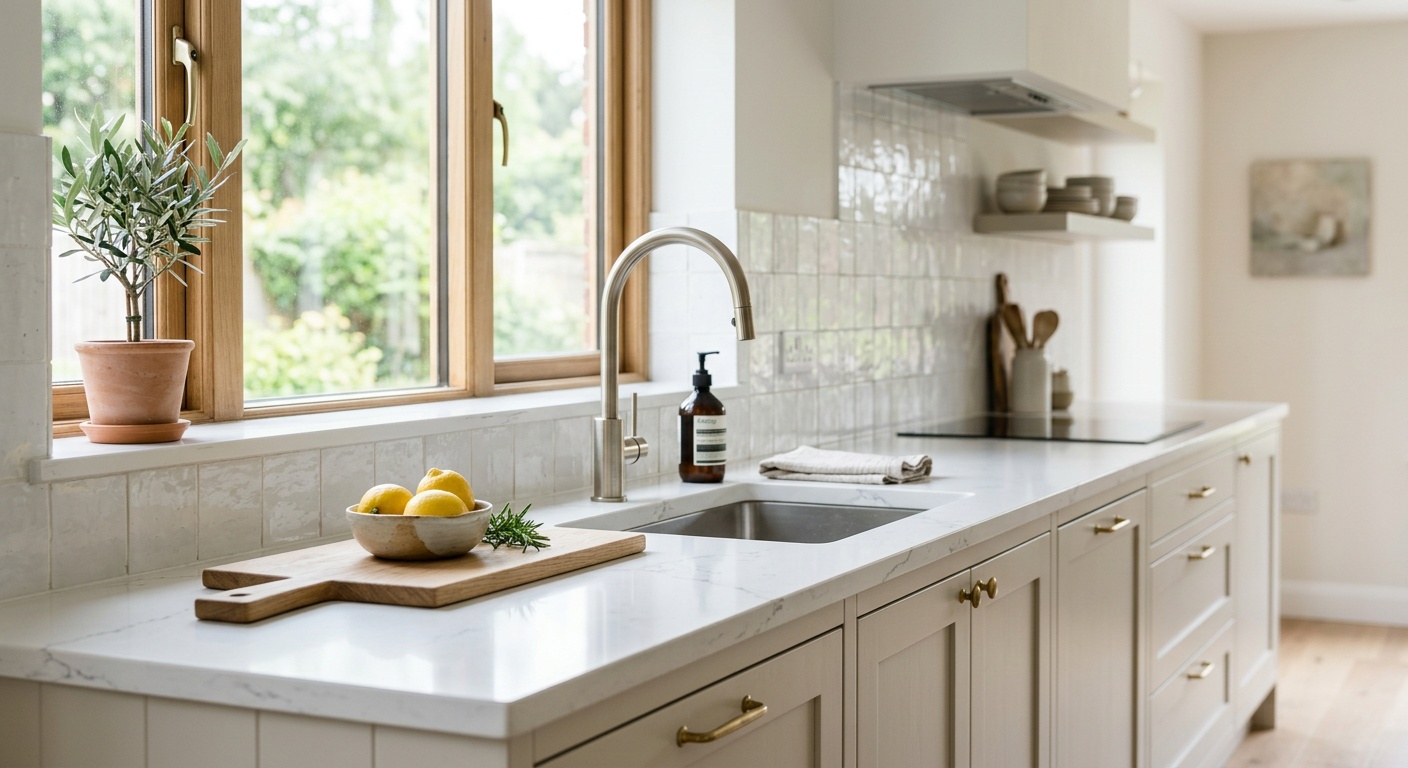
Mid-range kitchen remodel (estimated cost in 2026: $28,000–$45,000): This involves replacing cabinet fronts and hardware, upgrading to quartz countertops, installing new stainless or panel-ready appliances, adding a tile backsplash, and refreshing flooring. Average ROI nationally hovers around 75–80%.
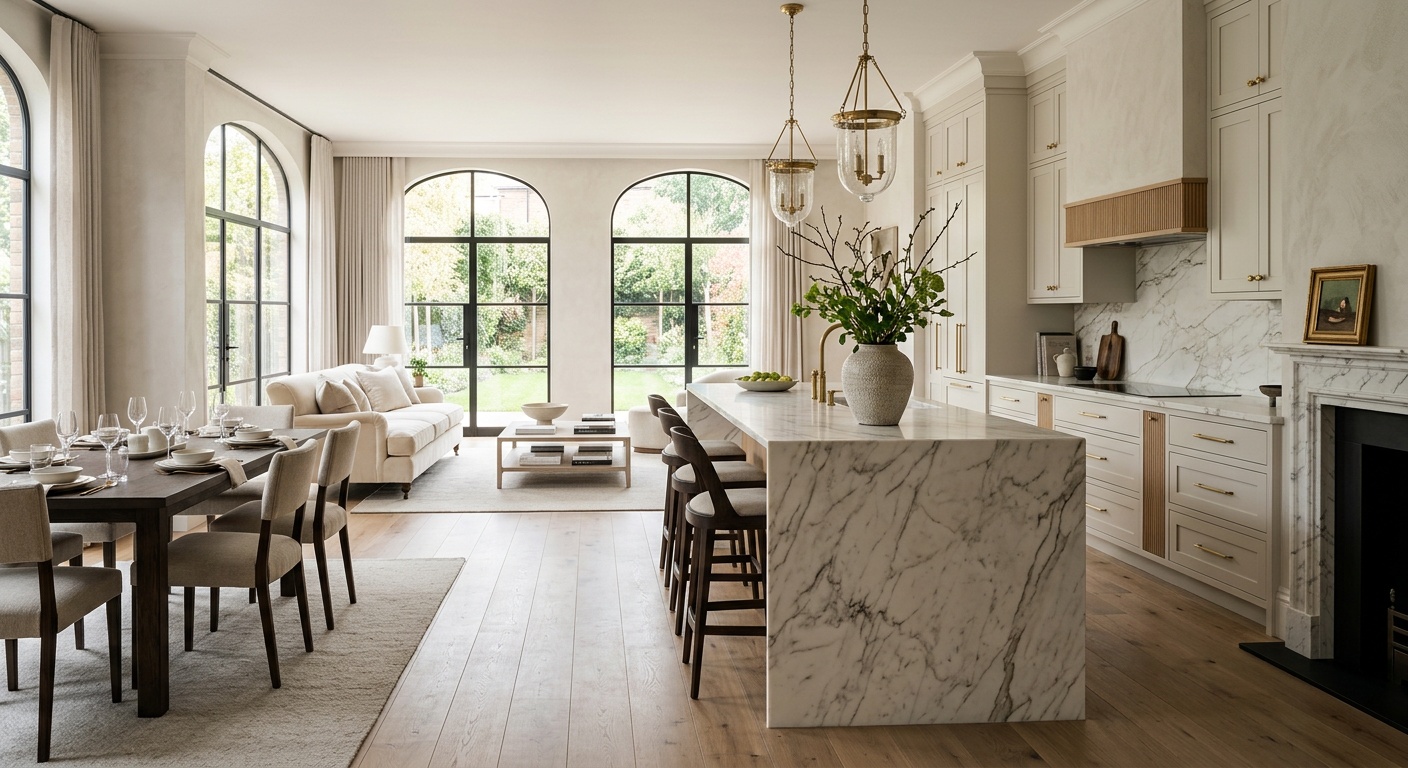
High-end kitchen remodel (estimated cost: $75,000–$130,000+): Custom cabinetry, premium stone counters, professional-grade appliances, structural changes, island additions. ROI drops to around 52–60% because these upgrades exceed buyer expectations in most markets.
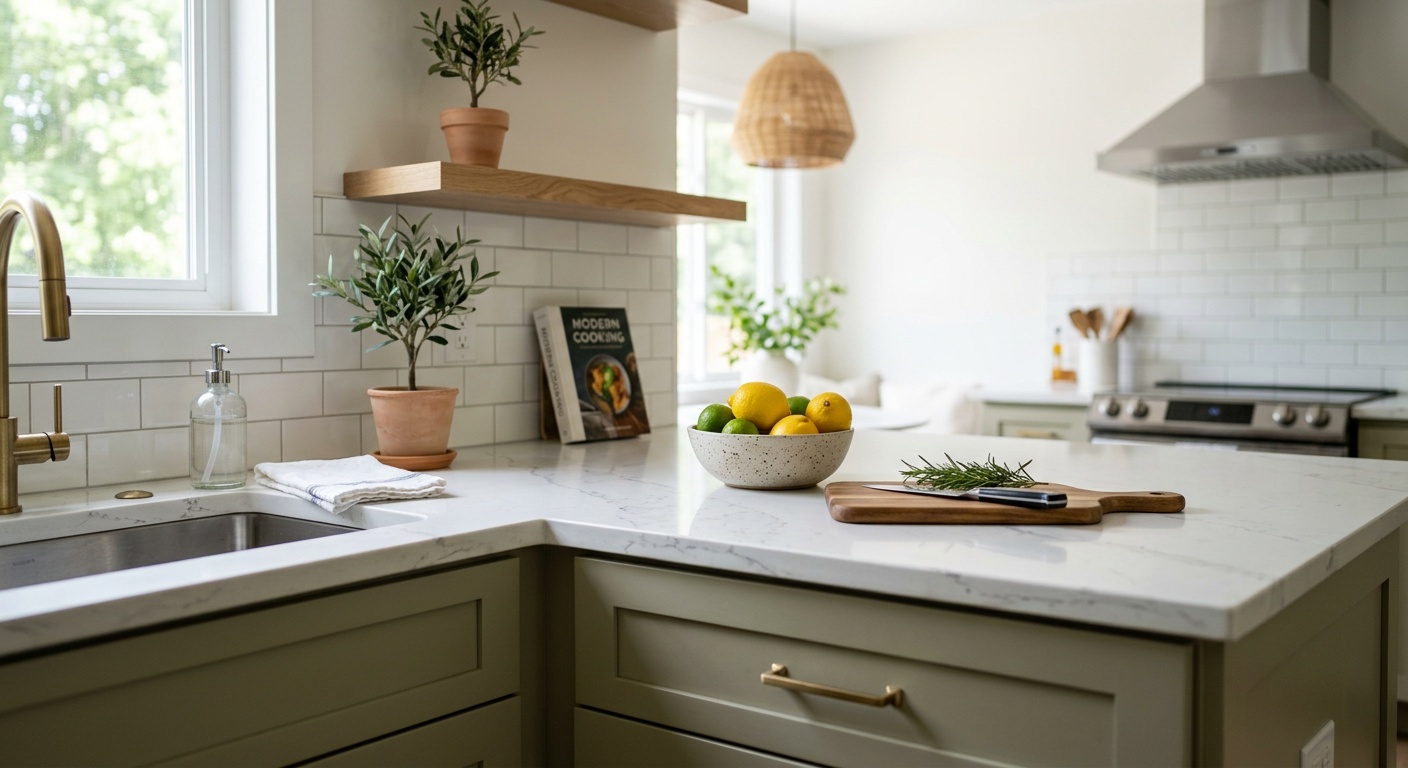
The sweet spot? A targeted minor remodel — think refinished cabinets, new hardware, a quartz countertop, and modern pendant lighting — can run $12,000–$18,000 and deliver returns of up to 85%. It’s the highest-efficiency play in most markets.
What Kitchen Features Are 2026 Buyers Actually Paying For?
- Quartz or durable solid-surface countertops — granite has faded; quartz dominates buyer preference
- Soft-close cabinetry — signals quality without extravagance
- Integrated smart appliances — refrigerators with inventory management, ovens with remote preheat
- Under-cabinet lighting — affordable to install, high visual impact
- A functional island or peninsula — if space allows, this is a significant perceived value add
Pro Tip: Paint existing cabinets a current neutral (think warm whites or muted sage) and install new hardware for under $2,000. In real estate photography, it’s nearly indistinguishable from a full cabinet replacement — and buyers respond to it.
Bathroom Renovations: Small Changes, Big Returns
Bathrooms are the second most powerful selling feature in residential real estate. And unlike kitchens, they don’t need massive square footage to make a massive impression. A well-executed bathroom renovation can tip a buyer from “maybe” to “let’s write an offer.”
The Primary Bath vs. Secondary Bath Strategy
Not all bathrooms are created equal when it comes to ROI potential. Here’s how to think about your investment strategically:
Primary (Master) Bathroom: Buyers expect this to be a retreat. In 2026, the hottest features include walk-in showers with frameless glass enclosures, double vanities with vessel or undermount sinks, heated flooring (increasingly expected in mid-market homes), and smart mirrors with integrated lighting and defogging technology. A full primary bath remodel runs $18,000–$40,000 with an ROI of roughly 65–72%.
Secondary/Guest Bathroom: The ROI story here is actually more compelling per dollar spent. A secondary bath refresh — new vanity, modern fixtures, re-grouted or retiled shower, updated lighting — can cost as little as $6,000–$10,000 and return 70–80%. Buyers are enormously turned off by dated or poorly maintained secondary baths, so bringing these up to standard pays well.
Adding a Bathroom: If your home has only one full bath and your market has established that two is the norm, adding a second full bath can add 10–15% to overall home value. The conversion of a large closet or underutilized basement space into a 3/4 bath is one of the smartest structural investments you can make in 2026.
Curb Appeal and Exterior Improvements
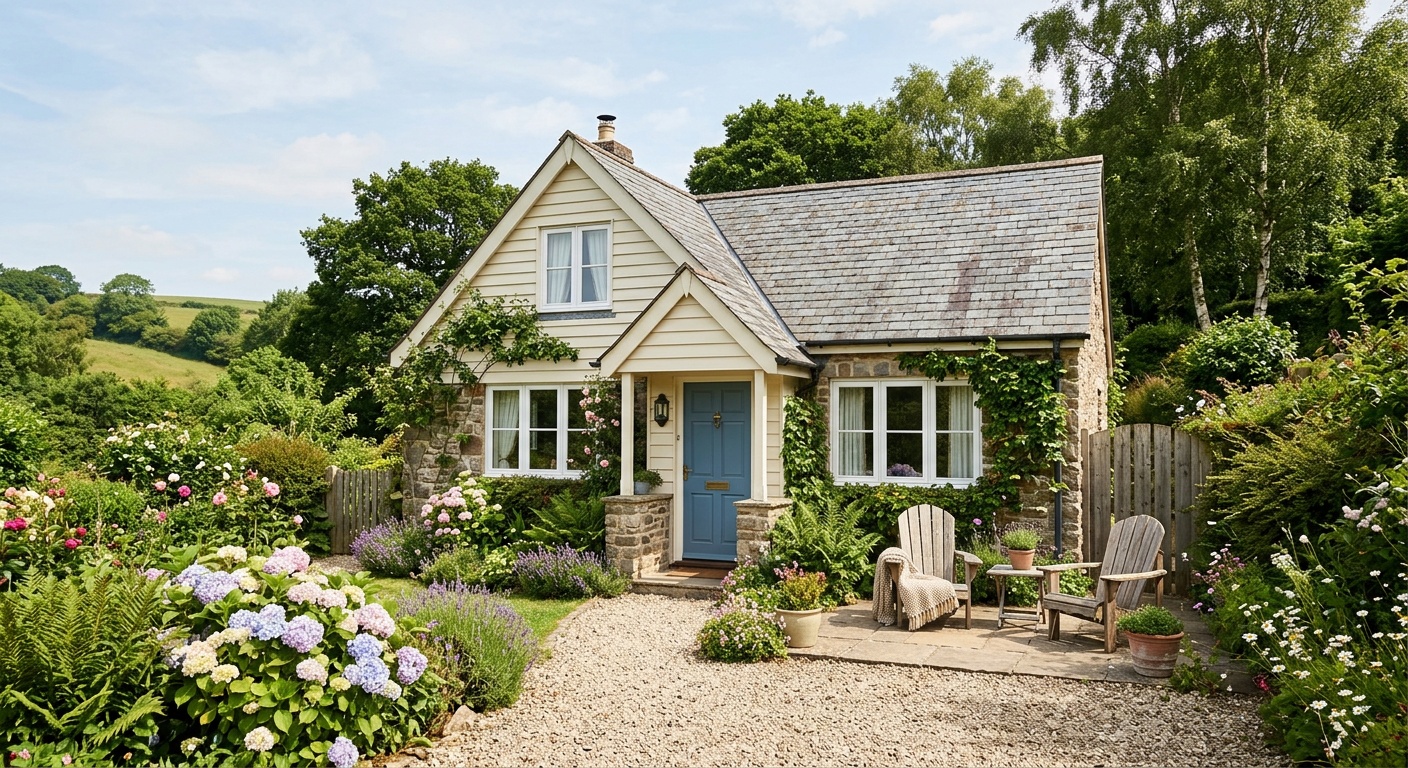
First impressions in real estate are formed within 7 seconds — and that impression is made entirely from the exterior. Curb appeal improvements are consistently among the highest-ROI investments available, largely because they’re often lower cost but visually transformative.
High-Impact Exterior Upgrades Worth Prioritizing
- Front door replacement: A fiberglass or steel door replacement averages $2,500–$4,500 and returns up to 90% — making it one of the single best ROI projects in residential remodeling
- Garage door replacement: Consistently ranked as a top-5 ROI project nationally, averaging 93–94% return. Cost: $3,500–$6,000 for a quality steel or composite door
- Exterior paint or siding refresh: Fresh paint can return 55–75% depending on condition; fiber cement siding replacement runs higher cost ($18,000–$35,000) but returns 76–85% and dramatically improves perceived quality
- Landscaping: Professional landscaping costing $5,000–$12,000 returns an estimated 100–200% in perceived value, though actual transaction price impact varies. Strategic, low-maintenance plantings are the 2026 preference — buyers don’t want a maintenance burden
- Outdoor living space: Composite decking, covered patios, and outdoor kitchens have surged in buyer demand post-pandemic and the trend continues strong in 2026. A quality composite deck runs $15,000–$25,000 and returns 65–72%
Energy Efficiency Upgrades: The 2026 Buyer Priority
This section deserves particular attention in 2026, because the landscape has shifted dramatically. Energy efficiency is no longer a “nice to have” — it’s a buying criterion. With utility costs having risen 22% nationally since 2021, buyers are increasingly scrutinizing energy performance as part of their purchase calculus.
The Inflation Reduction Act’s extended tax credits (still in effect through 2026 for most efficiency upgrades) mean homeowners can offset costs significantly while boosting resale appeal. Here’s what’s moving the needle:
- Heat pump HVAC systems: Replacing an aging gas furnace/AC combo with a modern heat pump system costs $8,000–$16,000 (after federal tax credits, often $5,000–$11,000 net) and adds measurable resale value while reducing monthly costs — a genuine double win
- Solar panel installation: Average cost after incentives in 2026 is $12,000–$18,000 for a 8–10kW system. Studies show solar adds approximately $15,000–$20,000 to home value in sun-belt markets, representing near 100% or better ROI in the right geography
- Smart home energy systems: Programmable thermostats (Nest, Ecobee), smart electrical panels, and whole-home energy monitoring are relatively low cost ($500–$3,000 total) and significantly appealing to tech-savvy 2026 buyers
- Insulation and air sealing: Unglamorous but effective. A proper insulation upgrade with professional air sealing runs $3,000–$7,000 and can reduce energy bills by 15–25% — a selling point that resonates with cost-conscious buyers
- Triple-pane windows: Premium window replacement has elevated ROI in 2026’s energy-conscious market; expect 65–72% ROI on quality replacements
“Homes with documented energy efficiency certifications — ENERGY STAR, Green MLS data — are selling 3–7% faster and at a 4–5% premium in most suburban markets we track in 2026.” — Marcus Chen, Director of Market Research, National Association of Realtors
Renovation ROI Comparison Table
| Renovation Project | Avg. Cost (2026) | Avg. Value Added | Est. ROI % | Buyer Appeal Rating |
|---|---|---|---|---|
| Garage Door Replacement | $4,500 | $4,200 | 93% | ⭐⭐⭐⭐⭐ |
| Minor Kitchen Remodel | $28,000 | $23,500 | 84% | ⭐⭐⭐⭐⭐ |
| Bathroom Remodel (Mid-Range) | $22,000 | $16,500 | 75% | ⭐⭐⭐⭐ |
| Composite Deck Addition | $20,000 | $14,000 | 70% | ⭐⭐⭐⭐ |
| Solar Panel Installation | $15,000 (net) | $17,500 | 117%* | ⭐⭐⭐⭐⭐ |
*Solar ROI varies significantly by region; 117% reflects sun-belt market averages. Northern climate markets may see 85–100%.
ROI Visualization: Top Improvements at a Glance
Estimated ROI by Project Type (2026)
93%
84%
75%
70%
56%
3 Common Renovation Mistakes (and How to Avoid Them)
Even the most well-intentioned homeowners fall into these traps. Recognizing them early can save you tens of thousands of dollars and enormous frustration.
Mistake #1: Over-Improving for the Neighborhood
This is the single most costly renovation mistake in real estate. If comparable homes in your neighborhood are selling for $350,000–$400,000, a $100,000 kitchen renovation will not push your sale price to $500,000. The market simply won’t support it. Buyers compare your home to others they’ve toured — and excessive luxury in an average neighborhood creates a pricing ceiling you can’t break through.
The Fix: Before any major project, pull recent comparable sales (comps) in a 0.5-mile radius. Your renovations should bring your home to the top of that comp range — not attempt to transcend it. A local real estate agent or appraiser can give you a pre-renovation appraisal estimate that sets a rational budget ceiling.
Mistake #2: Ignoring the “Invisible” Systems
Shiny countertops catch the eye. A failing HVAC system, outdated electrical panel, or aging roof kills the deal in inspection. Many sellers invest in cosmetic improvements while neglecting mechanical systems — and then watch buyers walk away or demand massive price reductions after the inspection report lands.
The Fix: Before cosmetic upgrades, invest in a pre-listing inspection ($400–$600) and address any red-flag mechanical issues. A new roof ($10,000–$18,000) may not add visible glamour, but it eliminates the single biggest inspection deal-breaker. Buyers will pay more for a home where they don’t expect immediate system expenditures.
Mistake #3: DIY-ing Beyond Your Skill Level
In 2026, with YouTube tutorials and AI-assisted home improvement guides proliferating, the temptation to DIY has never been stronger. And for minor cosmetic work — painting, hardware replacement, landscaping — DIY is smart. But for electrical, plumbing, structural, or any work requiring permits? Amateur work creates liability, fails inspection, and can invalidate homeowner’s insurance policies.
The Fix: Be honest about your skill level. A rough tile job or improperly hung drywall signals “maintenance issues” to trained buyer’s agents. Use professionals for permitted work; use your own hands for the cosmetic finishing touches that create polish without risk.
Real-World Case Studies
Case Study 1: The Strategic Seller in Phoenix, AZ (2025)
Maria and David T. purchased a 1,950 sq ft ranch home in a Phoenix suburb in 2018 for $285,000. By mid-2025, they were ready to sell but had a tight renovation budget of $35,000. Rather than attempting a full remodel, they consulted a real estate agent who helped them prioritize: a minor kitchen refresh ($14,000 — cabinet painting, new quartz counters, updated lighting), a bathroom vanity and fixture replacement in both bathrooms ($7,500 combined), a solar panel system ($11,500 net after incentives), and fresh exterior paint with new front landscaping ($5,500).
Their home listed at $489,000 in September 2025 and received three offers within the first week, ultimately selling for $498,000 — a $213,000 gain over purchase price and a strong return on their strategic $38,000 renovation spend. The solar system, in particular, generated significant buyer interest in the Phoenix heat market.
Case Study 2: The Partial Gut vs. Targeted Refresh Experiment in Chicago, IL
A fascinating natural experiment occurred in a Chicago Lincoln Square neighborhood in 2025. Two similar 1,600 sq ft bungalows listed within three months of each other. Owner A invested $85,000 in a complete primary bathroom and kitchen overhaul. Owner B invested $22,000 in targeted updates: cabinet refacing, new countertops, fixture replacements, and a fresh secondary bathroom renovation.
Owner A’s home sold for $582,000. Owner B’s sold for $558,000 — a $24,000 difference on a $63,000 lower renovation spend. Owner B’s net financial position was substantially stronger, having effectively gained $39,000 more in real terms by avoiding over-investment. The lesson: targeted beats comprehensive in mid-range markets.
Frequently Asked Questions
Which home improvement consistently delivers the highest ROI regardless of market conditions?
Garage door replacement and entry door replacement have consistently ranked at the top of national ROI studies for nearly a decade, including 2026 data. Both projects fall in the $3,000–$6,000 range, deliver 85–94% average returns, and have outsized impact on first impressions. If you’re looking for a single project with reliable, market-independent returns, starting with exterior entry points is your safest bet. They’re also among the least disruptive renovations to undertake while living in the home.
Should I renovate before listing or offer buyers a price reduction instead?
This is a strategic calculation that depends on your market, timeline, and the condition of your home. In competitive seller’s markets, buyers are often willing to take on projects for the right price reduction. However, in 2026’s more balanced market in most regions, properly renovated homes are selling significantly faster and often above asking, while unrenovated homes sit longer and face deeper price cuts than the renovation would have cost. The general guidance: if renovation cost is under $30,000 and time permits, renovate. For larger projects, get a comparative market analysis from a local agent before committing.
Do smart home features genuinely add resale value in 2026?
Smart home features occupy an interesting middle ground. On their own, they rarely add dollar-for-dollar resale value — but they serve as powerful tiebreakers between otherwise similar homes. Smart thermostats, video doorbells, smart locks, and integrated energy monitoring systems cost relatively little to install ($500–$2,500 total) and are increasingly expected by millennial and Gen Z buyers who represent the dominant buyer demographic in 2026. More importantly, smart energy systems that demonstrably reduce utility costs — smart HVAC controllers, solar integration, smart water heaters — carry genuine financial value that buyers can calculate and are willing to pay for.
Your Renovation Roadmap: Making Every Dollar Count
Here’s the straight talk: renovating for resale isn’t about transforming your home into a showroom — it’s about strategic positioning in a competitive market. And in 2026, that strategy is more nuanced than ever.
As housing affordability continues to shape buyer behavior and energy costs remain top-of-mind, the homeowners who win are those who make deliberate, market-informed decisions. The era of “just renovate everything and the buyers will come” is over. Welcome to the era of precision renovation.
Your 5-Step Pre-Sale Renovation Roadmap:
- Get a pre-renovation market assessment — Consult a local real estate agent or certified appraiser before spending a dollar. Know your comp ceiling and work within it.
- Address mechanical systems first — Roof, HVAC, electrical, plumbing. These are buyer deal-breakers. Cosmetic upgrades built on failing infrastructure are wasted investment.
- Prioritize kitchen, bathrooms, and exterior — Focus your discretionary renovation budget where buyer attention is highest and ROI is most reliable.
- Invest in energy efficiency — At minimum, a smart thermostat and documented HVAC service. If budget allows, explore heat pump systems or solar for meaningful value adds that resonate with 2026 buyers.
- Polish with low-cost, high-impact finishing — Fresh neutral paint throughout, new light fixtures, modern hardware, and professional landscaping. These are your highest-efficiency spend — transformative visual impact at a fraction of structural renovation costs.
The broader trend is clear: as homes become more than shelter — as they evolve into energy hubs, home offices, and wellness retreats — buyers are evaluating them with increasingly sophisticated criteria. The improvements that add value in 2026 reflect this evolution: energy performance, functional living spaces, and quality finishes that promise durability, not just aesthetics.
So here’s the question worth sitting with: If a buyer walked through your home today, what would they see as a reason to offer more — and what would they use as leverage to negotiate down? Answer that honestly, prioritize accordingly, and you’ll be equipped to make renovation decisions that genuinely move the financial needle when it matters most.